This post contains affiliate links. As an Amazon Associate I earn from qualifying purchases.
PPD (p-phenylenediamine) is the dye ingredient most often linked to allergic reactions from hair and brow tints. A PPD-free tint swaps it for other dye ingredients, which lowers the risk for many people, but doesn’t remove it. Some substitutes, especially toluene-2,5-diamine, can still trigger a reaction in people allergic to PPD. So “PPD-free” is a useful filter, not a guarantee. A patch test is still essential.
What is PPD and why is it in tint?
PPD is a small molecule that, when mixed with a developer (hydrogen peroxide), turns into a strong, long-lasting dark color inside the hair. It’s been used in permanent hair dye for over a century because it works so well, especially for browns and blacks.
The trade-off is that PPD is a well-known skin sensitizer. Some people become allergic after repeated use, even if they had no problem the first few times.
In the EU and UK, eyebrow and eyelash products containing PPD are allowed for professional use only, at a limited strength, under Regulation (EU) 1197/2013. In the US, the FDA has not approved any color additive for dyeing eyebrows or eyelashes. Our post Is eyebrow tint FDA approved? explains what that means.
Label ingredients to know
| Ingredient on the label | What it is | What to know |
|---|---|---|
| p-Phenylenediamine (PPD) | Dye precursor | Most common cause of tint allergy |
| Toluene-2,5-diamine (PTD) or its sulfate | Dye precursor, PPD alternative | Gentler for some people, but many PPD-allergic people react to it too |
| Hydroxyethyl-p-phenylenediamine sulfate | Dye precursor | A related molecule; patch test carefully |
| Resorcinol | Color coupler | Can irritate; some brands leave it out |
| m-Aminophenol, p-aminophenol | Color couplers | Possible sensitizers |
| Hydrogen peroxide | Developer | Activates the color; can sting on sensitive skin |
| Ammonia | Raises pH so color can enter the hair | Strong smell; many brow tints are ammonia-free |
Ingredients are listed by their standard (INCI) names, usually in order of amount. If a product doesn’t show its full ingredient list, skip it.
What “PPD-free” doesn’t mean
- Not allergy-proof. Other dye ingredients can still cause reactions.
- Not “natural”. Most PPD-free tints still use synthetic dyes and a developer.
- Not always gentler on the skin. Fragrance, preservatives and peroxide can irritate on their own.
Who should choose PPD-free
- Anyone who’s had a mild reaction to hair dye or tint before (see the warning below)
- People with sensitive skin or eczema around the eyes
- People with temporary black henna tattoos in their past, which often contain high levels of PPD
- Anyone who simply wants fewer known allergens in their routine
Important: If you’ve had a severe reaction to hair dye, such as swelling of the face or eyes, don’t try any tint without advice from a doctor or allergist. Patch tests can’t rule out a serious reaction in someone already sensitized.
PPD-free brow tints to check out
- RefectoCil Sensitive tint: marketed for sensitive skin; check the ingredient list
- Bronsun brow dye: ammonia-free gel dye; check the ingredient list
How to patch test any tint
- Mix a tiny amount of tint and developer as directed.
- Apply a small dab behind your ear or on the inner elbow.
- Leave for 48 hours. Keep it dry.
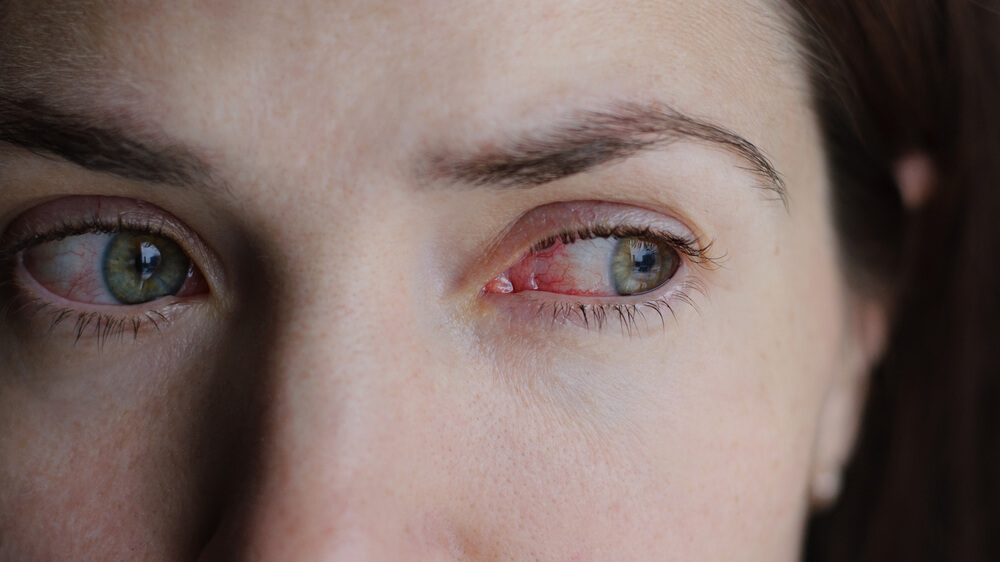
- If you see redness, itching, swelling or blisters, don’t use the product.
Our allergy guide explains the symptoms in detail.
Lower-chemical alternatives
- Tinted brow gels and pencils (no dye chemistry at all)
- Pure plant henna, which only gives a red-brown color
- See our list of natural eyebrow dyes
And please don’t use regular hair dye on your brows. It’s stronger and isn’t made for use near the eyes. Read why in Can you use hair dye on eyebrows?
A no-dye option
- Tinted brow gel: adds color between tints
FAQ
What is PPD in eyebrow tint? P-phenylenediamine, a dye ingredient that creates long-lasting dark color. It’s also the most common cause of tint allergies.
Is PPD-free eyebrow tint safe for sensitive skin? It’s often gentler, but other ingredients can still cause reactions. Always patch test.
Can I use PPD-free tint if I’m allergic to PPD? Not without advice. Many PPD-allergic people also react to its substitutes. Talk to a doctor or allergist first.
Does PPD-free tint last as long? Often slightly less, but the difference is small for most people.